
About genetic testing
Explore how genetic testing works and how it can support your health journey

Genetic testing provides information about your genes and chromosomes. It is a type of medical test that can identify alterations in chromosomes, genes and proteins. It can be diagnostic by identifying small changes (called variants or mutations) causing the observed symptoms, thereby diagnosing a medical condition. It can be predictive by identifying genetic variants associated with disorders that may appear later in life, thereby assessing a person’s chances of developing a medical condition or passing it on to their children. Genetic testing can provide answers to present or future concerns, making it important to be considered at the forefront of health and well-being.
Why might I be offered a genetic test?
There are many reasons why your doctor might recommend genetic testing:
- You have symptoms that suggest a possible genetic condition
- A close family member has been diagnosed with a hereditary condition
- You are planning a pregnancy, tests such as , , and may be relevant to your situation
- You are currently pregnant
- You have previously had a child with a genetic condition
- Your doctor wants to understand how your genes may affect which medicines will work best for you
- A specific cancer type is common in your family, suggesting a possible hereditary cancer syndrome
What types of genetic tests are there?
Genetic testing covers a range of different analyses. The table below describes the most common types.
Type of test | What it looks for | Who it is usually offered to |
| Diagnostic testing | Confirms or rules out a suspected genetic condition | People with symptoms suggesting a genetic disorder |
| Predictive testing | Assesses future risk before symptoms appear | People with a family history of a hereditary condition |
| Carrier screening | Identifies whether you carry a variant that could be passed to a child | Adults planning a pregnancy or in early pregnancy |
| Prenatal testing | Screens for chromosomal or genetic conditions in a developing baby | All pregnant women. Certain more invasive diagnostic tests (such as amniocentesis) are offered when there is an increased risk, but non-invasive options such as NIPT are available to all |
| Newborn screening | Detects treatable conditions before symptoms develop | All newborns |
| Pharmacogenomic testing | Identifies how your genes affect your response to medicines | People for whom certain medicines have not worked or have caused side effects |
What can genetic testing find?
Depending on the type of test, a genetic test may be able to:
- Confirm or rule out a specific genetic condition
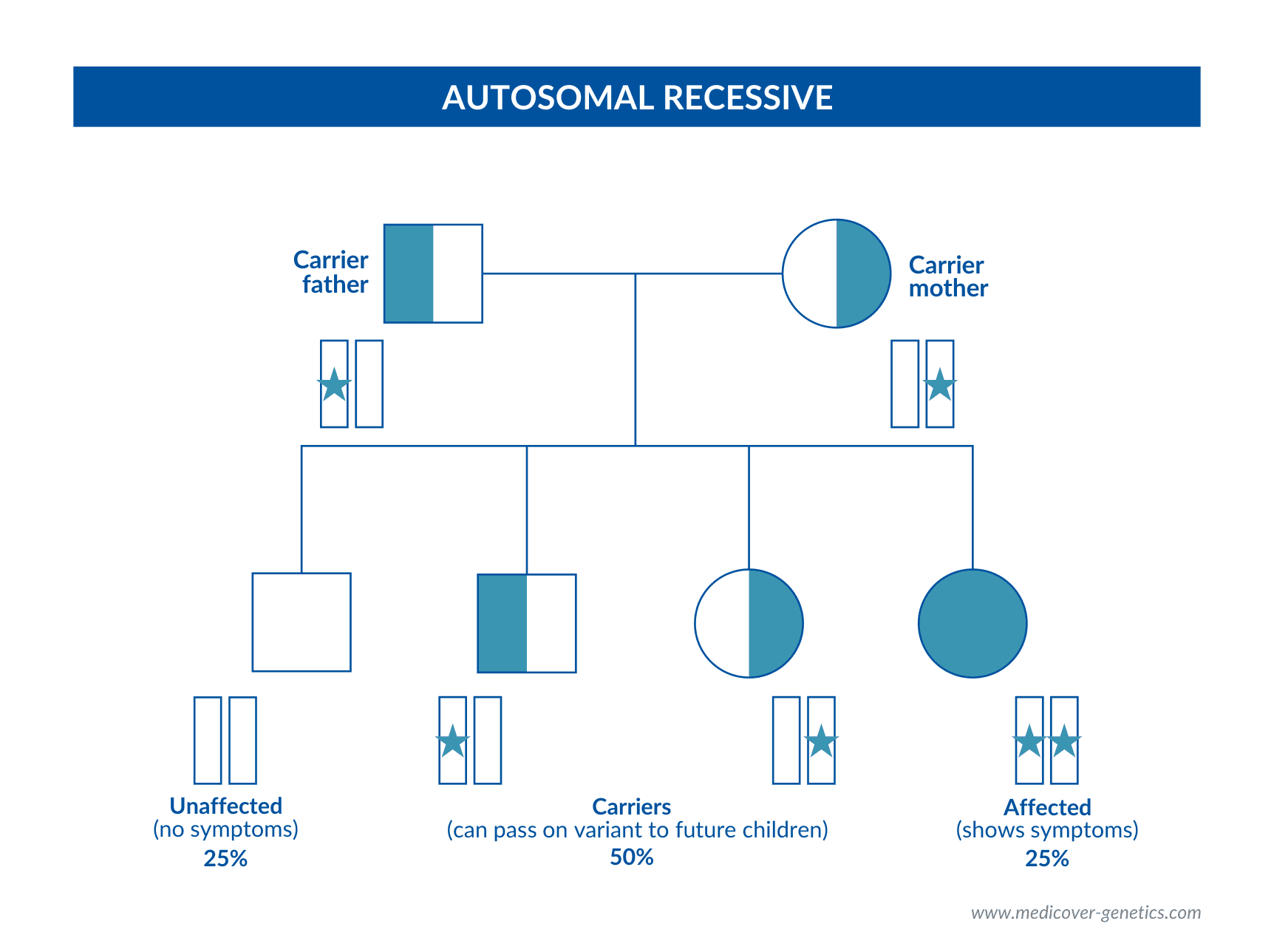
- Identify whether you carry a variant that could be passed on to your children, even if you are unaffected yourself
- Assess your risk of developing a condition later in life, for example, certain cancers or heart conditions
- Explain the cause of a condition that has been difficult to diagnose
- Guide your treatment, including which medicines are safe and effective for you
- Provide information to help your family members decide whether they should also consider testing (known as cascade testing)
- Offer reassurance during pregnancy
What are the limitations of genetic testing?
- A positive result does not always mean you will develop a condition, many factors affect health, including lifestyle and environment.
- A negative result does not guarantee you or a family member will not develop a condition.
- Some variants are classified as a ‘variant of uncertain significance’ (VUS), meaning the variant has been found, but evidence on its health impact is insufficient. This is not uncommon, and classifications are regularly reviewed.
- No single test detects every possible genetic change or covers all genetic conditions.
What is screening testing?
Screening tests are offered to people who do not yet have symptoms, typically to identify those at higher risk of a condition. Common examples include:
- Carrier screening before or during pregnancy (e.g. for cystic fibrosis or sickle cell disease)
- Newborn screening are screens for a small number of serious but treatable conditions shortly after birth
- Population-based screening programmes for conditions such as familial hypercholesterolaemia
How are genetic conditions inherited?
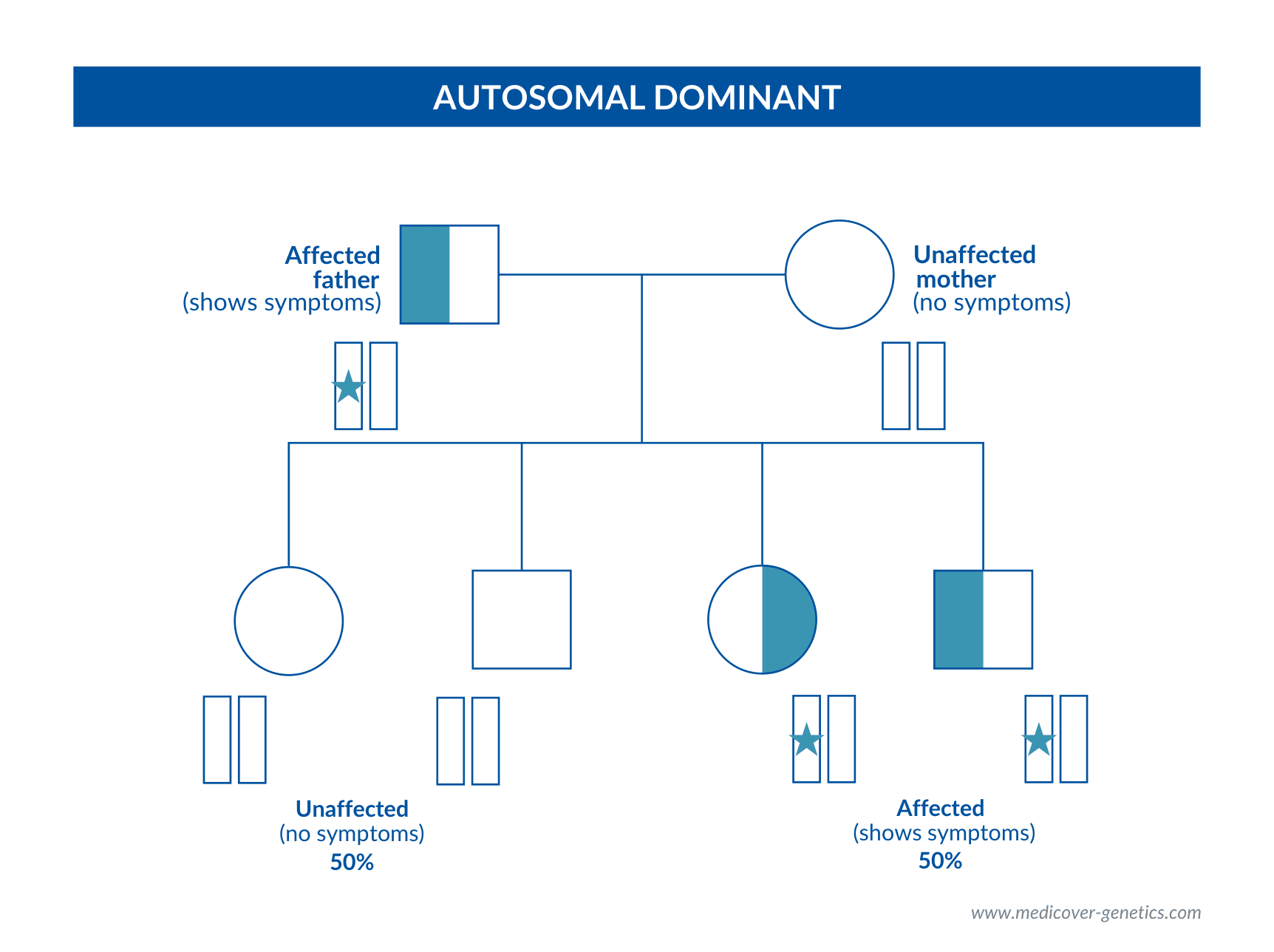
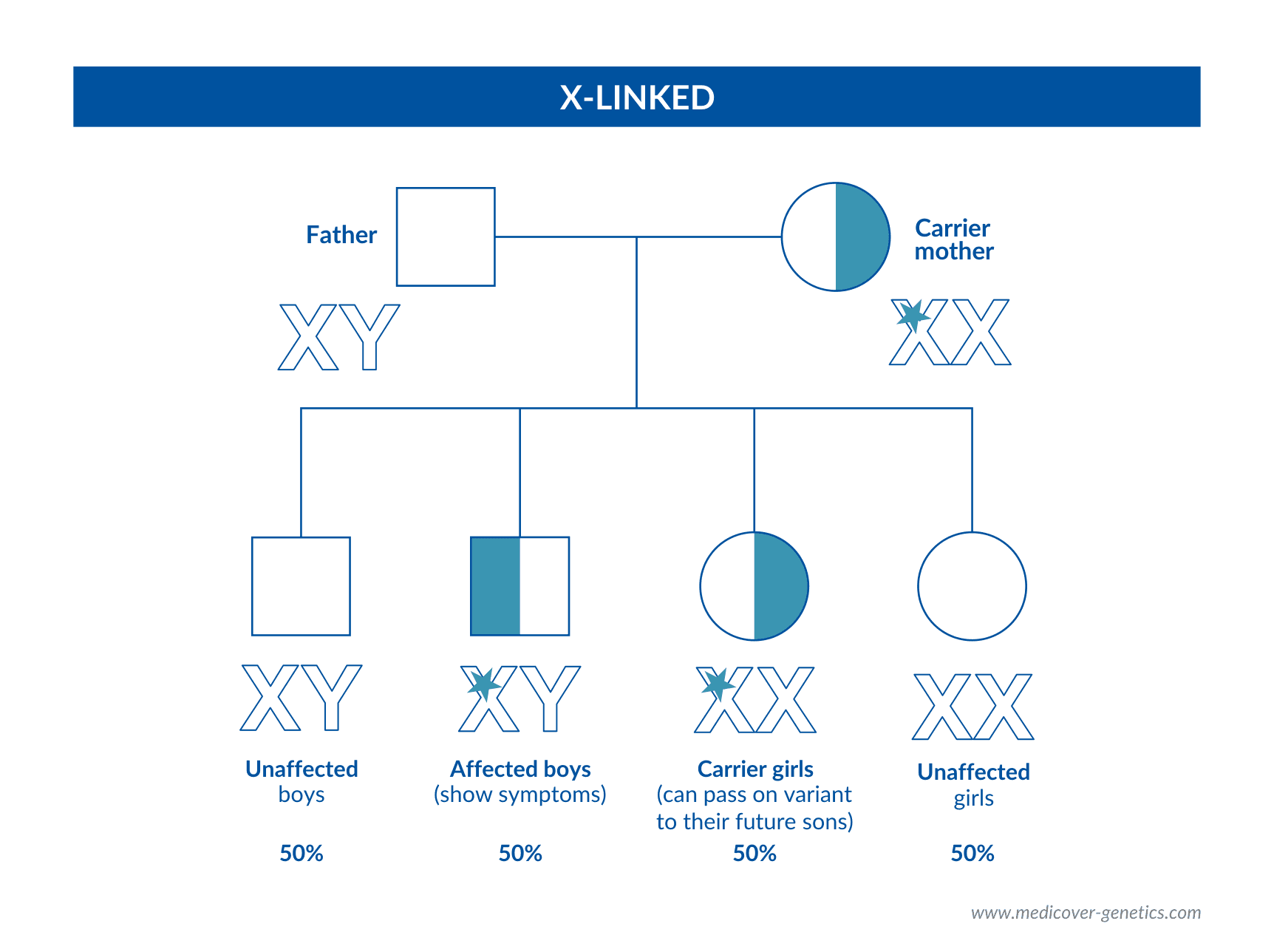
Because we inherit DNA from both biological parents, gene variants, and the conditions they cause, can run in families. Understanding the inheritance pattern relevant to your situation helps you and your relatives make informed decisions.
Please note: Some conditions result from a combination of genetic and environmental factors (multifactorial inheritance). Others arise from new de novo variants not inherited from either parent. Your genetic counsellor will explain the pattern relevant to your family.
What it means
One copy of the altered gene is enough to cause the condition. Each child of an affected parent has a 50% chance of inheriting it.
Example conditions
Huntington’s disease, Marfan syndrome, familial hypercholesterolaemia.
How do I access genetic testing?
Genetic testing can be accessed through a referral from a healthcare professional, your GP, a hospital specialist, or a genetic counsellor. If you are interested in a specific genetic test, ask your clinician or check out your local Medicover provider and the availability in our .
Genetic counselling
Genetic counselling is a communication process that helps individuals and families understand and adapt to the medical, psychological, and practical implications of genetic conditions. It combines specialist knowledge of medical genetics with skilled, empathetic support.
Genetic counselling is non-directive: the counsellor’s role is to ensure you have accurate, balanced information and the space to make decisions that are right for you, not to tell you what to do.
Importantly, genetic counselling and genetic testing are not the same thing. You can receive counselling without proceeding to a test, and a good counsellor will explain both the benefits and the limitations of testing before you decide.
.
What types of result can I receive?
There are three possible outcomes from a genetic test:
- A positive result means a pathogenic or likely pathogenic variant has been found, one that is known or very likely to be associated with a health condition. This may explain current symptoms or point to a future risk, and your doctor or genetic counsellor will discuss what it means and what steps to take.
- A variant of uncertain significance (VUS) means a variant has been detected but cannot yet be classified as causing or not causing a condition. This is not uncommon, and classifications are reviewed as knowledge advances.
- A negative result means no causative variant was identified. This does not rule out a genetic condition entirely, as no test detects every possible variant, and your doctor may recommend ongoing follow-up or a different test.

Latest articles


This page is intended for general patient education only. It does not replace advice from your doctor, genetic counsellor, or other qualified healthcare professional. Always discuss your individual circumstances with your care team.